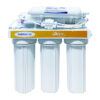
Aqua Care 75 GPD Reverse Osmosis Water Filter System (No Pump)

R2 395,00 Incl. VAT
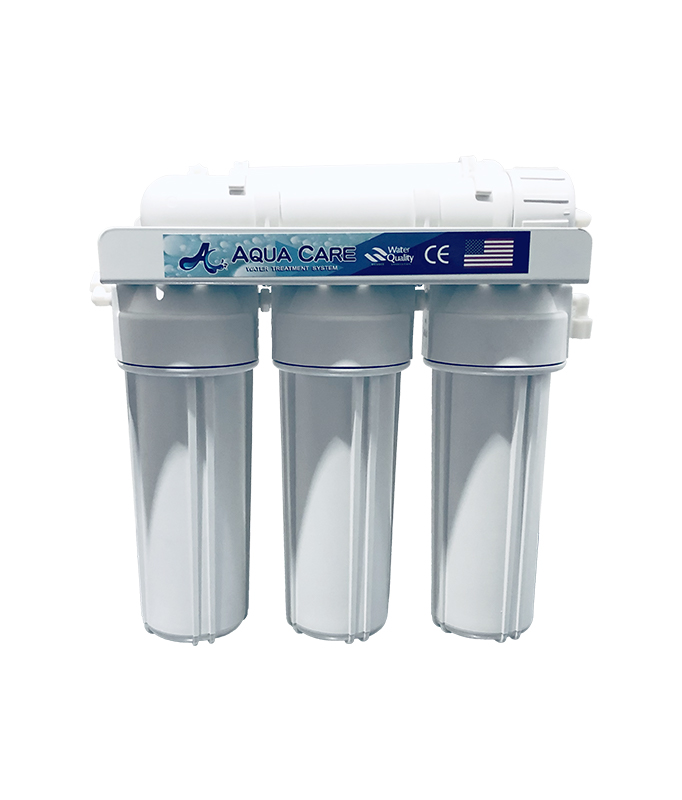
The Aqua Care 75 GPD Reverse Osmosis Water Filter (without pump) is a 5-stage under-counter RO system designed for residential point-of-use drinking water purification. It delivers up to ~75 gallons per day (≈ 190 L/day) of filtered water using multi-stage filtration, with included storage tank and faucet — no booster pump included.
The Aqua Care 75 GPD Reverse Osmosis Water Filter (No Pump) is a compact, point-of-use RO system engineered to provide high-quality drinking water in kitchens and utility spaces where incoming water pressure is sufficient for passive RO operation. Using a 5-stage RO filtration process, the system removes sediments, chlorine, dissolved solids, and other contaminants to improve water clarity, taste, and safety.
This variant does not include a booster pump, making it suitable where mains water pressure is adequate (generally above ~40–50 psi or ~2.8–3.5 bar for RO operation). The unit comes with a pressurized storage tank and a dedicated chrome faucet, plus all necessary installation hardware.
Filtration Stages
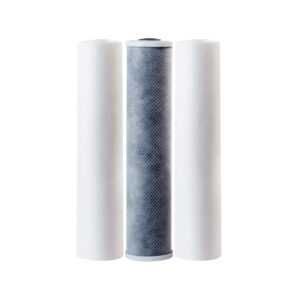
- Sediment Pre-Filter – Removes sand, rust and large particles.
- Activated Carbon Pre-Filter – Reduces chlorine, odour, and taste issues.
- Carbon Block Pre-Filter – Further reduces organic contaminants.
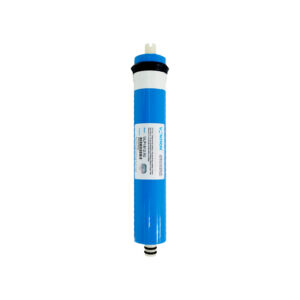
- RO Membrane (75 GPD) – Removes dissolved solids and many contaminants.
- Post-Carbon (Inline GAC) Filter – Final polishing for improved taste.
Typical Applications
- Residential under-sink drinking water systems.
- Kitchens and utility spaces with sufficient water pressure.
- Purified water for cooking, beverages, and drinking.
Maintenance & Replacement Guidelines
(Industry-standard, supplier-aligned intervals — not manufacturer-stated)
| Component | Typical Replacement Interval |
| Sediment & Carbon Pre-Filters | Every 6–12 months |
| RO Membrane | Every 24–36 months |
| Post-Carbon Filter | Every 12 months |
Sizing Guide
- Suitable for households of ~2–6 people (typical light to moderate RO use).
- Not suited for whole-house or multiple simultaneous outlets.
- Requires adequate mains pressure >~ 2.8–3.5 bar.
Domestic Reverse Osmosis Filters FAQ
1. What are domestic reverse osmosis filters?
Domestic reverse osmosis (RO) filters are multi‑stage water purification cartridges that remove contaminants like chlorine, sediments, heavy metals, and dissolved solids to deliver clean, safe drinking water for your home.
2. How does a reverse osmosis system work?
Reverse osmosis systems force water through a semi‑permeable membrane, filtering out impurities. Pre‑filters (sediment and carbon) protect the RO membrane, improving performance and water quality.
3. What types of RO filter cartridges are available?
Common RO filter types include:
- Sediment pre‑filters – Remove large particles like sand and rust
- Carbon filters – Reduce chlorine, taste, and odour
- RO membranes – Eliminate dissolved solids, heavy metals, and contaminants
- Post‑carbon filters – Polish water for improved taste
4. How often do RO filters need to be replaced?
Replacement depends on usage and water quality:
- Sediment & carbon pre‑filters: every 6–12 months
- RO membrane: every 2–3 years
- Post‑carbon filter: every 12 months
Check your system’s manual for specific recommendations.
5. How do I know when to change my RO filters?
Signs it’s time to replace filters include:
- Reduced water flow
- Poor water taste or odour
- Cloudy water
- Salt build‑up on the faucet
6. Can I replace the filters myself?
Yes. Most domestic RO filters are user‑replaceable. Just follow your system’s installation instructions. Always turn off the water supply before changing cartridges.
7. Do RO systems waste water?
Standard RO systems produce wastewater during filtration. Efficiency varies by model — newer systems and units with permeate pumps waste less water.
8. Will RO filtration remove beneficial minerals?
Reverse osmosis removes both contaminants and some minerals. Many homeowners use a post‑carbon filter or remineralisation stage to enhance taste and balance.
9. Are all RO filters compatible with my system?
Not always. Check your system’s brand, model, and filter sizes before ordering. If unsure, contact www.pumpsandfilters.co.za South Africa for assistance.
10. Where can I buy RO filters and spare parts?
You can buy genuine reverse osmosis filters and spare parts at www.pumpsandfilters.co.za South Africa.
| Weight | 14 kg |
|---|---|
| Dimensions | 44 × 46 × 51 cm |
Specifications
Specification |
Value |
| Product Type | Under-counter Reverse Osmosis System (No Pump) |
| Filtration Stages | 5-stage Reverse Osmosis |
| Rated Production | 75 GPD (~190 L/day) |
| RO Membrane | 75 GPD Thin-Film Composite |
| Storage Tank | ~3.2 gallon / ~12 L |
| Faucet | Included (chrome) |
| Housing | Standard RO housings |
| Installation | Under-sink, point-of-use |
| Hardware | All installation hardware included |
| Operation | Manual/no pump |
| Country of Origin | Varies by supplier (Taiwan / China) |
Pros & Cons
✅ Pros
- Standard 5-stage RO filtration for everyday drinking water.
- Includes storage tank and faucet.
- Lower system cost vs pump-assisted models.
- Simple under-sink installation.
⚠️ Cons
- No booster pump — requires adequate feed water pressure.
- Production rate influenced by inlet pressure and temperature.
- Not suitable for households with low mains pressure without additional pump.
FAQ's
1: Does this system include a pump?
No — this version operates without a booster pump.
2: What if my water pressure is low?
If pressure is below ~40 psi (~2.8 bar), a pump-assisted variant is recommended.
3: Are replacement filters readily available?
Yes — the 75 GPD membrane and cartridge filters are standard sizes offered by many suppliers.
4: Will this remove minerals?
Yes — RO removes dissolved solids; some beneficial minerals may also be reduced.
5. What are domestic reverse osmosis filters?
Domestic reverse osmosis (RO) filters are multi‑stage water purification cartridges that remove contaminants like chlorine, sediments, heavy metals, and dissolved solids to deliver clean, safe drinking water for your home.
6. How does a reverse osmosis system work?
Reverse osmosis systems force water through a semi‑permeable membrane, filtering out impurities. Pre‑filters (sediment and carbon) protect the RO membrane, improving performance and water quality.
7. What types of RO filter cartridges are available?
Common RO filter types include:
- Sediment pre‑filters – Remove large particles like sand and rust
- Carbon filters – Reduce chlorine, taste, and odour
- RO membranes – Eliminate dissolved solids, heavy metals, and contaminants
- Post‑carbon filters – Polish water for improved taste
8. How often do RO filters need to be replaced?
Replacement depends on usage and water quality:
- Sediment & carbon pre‑filters: every 6–12 months
- RO membrane: every 2–3 years
- Post‑carbon filter: every 12 months
Check your system’s manual for specific recommendations.
9. How do I know when to change my RO filters?
Signs it’s time to replace filters include:
- Reduced water flow
- Poor water taste or odour
- Cloudy water
- Salt build‑up on the faucet
10. Can I replace the filters myself?
Yes. Most domestic RO filters are user‑replaceable. Just follow your system’s installation instructions. Always turn off the water supply before changing cartridges.
11. Do RO systems waste water?
Standard RO systems produce wastewater during filtration. Efficiency varies by model — newer systems and units with permeate pumps waste less water.
12. Will RO filtration remove beneficial minerals?
Reverse osmosis removes both contaminants and some minerals. Many homeowners use a post‑carbon filter or remineralisation stage to enhance taste and balance.
13. Are all RO filters compatible with my system?
Not always. Check your system’s brand, model, and filter sizes before ordering. If unsure, contact www.pumpsandfilters.co.za South Africa for assistance.
14. Where can I buy RO filters and spare parts?
You can buy genuine reverse osmosis filters and spare parts at www.pumpsandfilters.co.za South Africa.
Related products